Asbestos is Back (Maybe)
Although asbestos use has declined dramatically over the past several decades, many people mistakenly believe it has been eliminated from the United States. In reality, asbestos remains present in millions of older homes, commercial buildings, schools, and industrial facilities built before modern regulations were introduced. As these structures continue to age and undergo renovation or demolition, the risk of disturbing asbestos-containing materials remains a significant workplace and public health concern.
In 2026, asbestos is once again receiving national attention due to ongoing regulatory developments, including changes to EPA rulemaking and continued OSHA enforcement aimed at protecting workers from exposure. While new uses of asbestos have become increasingly restricted, legacy asbestos in existing buildings continues to pose serious risks during construction, maintenance, and repair activities. This article explores what has changed in 2026, why asbestos remains a concern, and what employers and workers need to know to stay compliant and safe.
The Misconception
A common misconception is that asbestos has been completely banned in the United States. While the use of asbestos has been significantly restricted over the years, there has never been a blanket federal ban covering all asbestos-containing products. As a result, asbestos can still be found in many older buildings and certain products that remain in use under specific regulatory conditions.
The Reality
The greatest risk today comes from legacy asbestos materials installed decades ago that are still present in schools, homes, commercial buildings, factories, and other structures. When these materials are disturbed during renovation, demolition, maintenance, or repair work, microscopic asbestos fibers can become airborne and pose serious health risks to workers and occupants. This is why proper identification, handling, and regulatory compliance remain essential despite the widespread belief that asbestos is no longer an issue.
The EPA's 2026 Delays and the Push for a "Durable" Legacy Use Rule
In 2026, the U.S. Environmental Protection Agency (EPA) announced that it would delay its proposed risk management rule addressing legacy uses and associated disposals of asbestos. Rather than moving forward immediately, the agency chose to gather additional exposure data from workers, building owners, industry representatives, and other stakeholders. According to the EPA, this additional information is intended to support a more comprehensive and legally defensible regulation that can effectively address asbestos exposure risks over the long term.
The EPA has described this approach as developing a "durable" legacy use rule, one designed to withstand legal challenges while providing stronger protections for workers and the public. The agency's focus remains on situations where asbestos-containing materials are disturbed during renovation, demolition, maintenance, or repair, as these activities present the greatest exposure risks. Although the proposal timeline has been extended, the underlying health risks associated with legacy asbestos have not changed, making continued compliance with existing OSHA and EPA requirements essential on every job site.
High-Risk Environments: Demolition, Renovation, and the Danger of Disturbing Asbestos
Although asbestos use has declined significantly, the greatest exposure risk today comes from disturbing asbestos-containing materials that remain in older buildings. Activities such as demolition, renovation, remodeling, and maintenance can release microscopic asbestos fibers into the air, creating serious health risks for workers. Understanding where asbestos is commonly found and which occupations face the highest exposure is essential for preventing hazardous exposure.
Common Building Materials That May Contain Asbestos
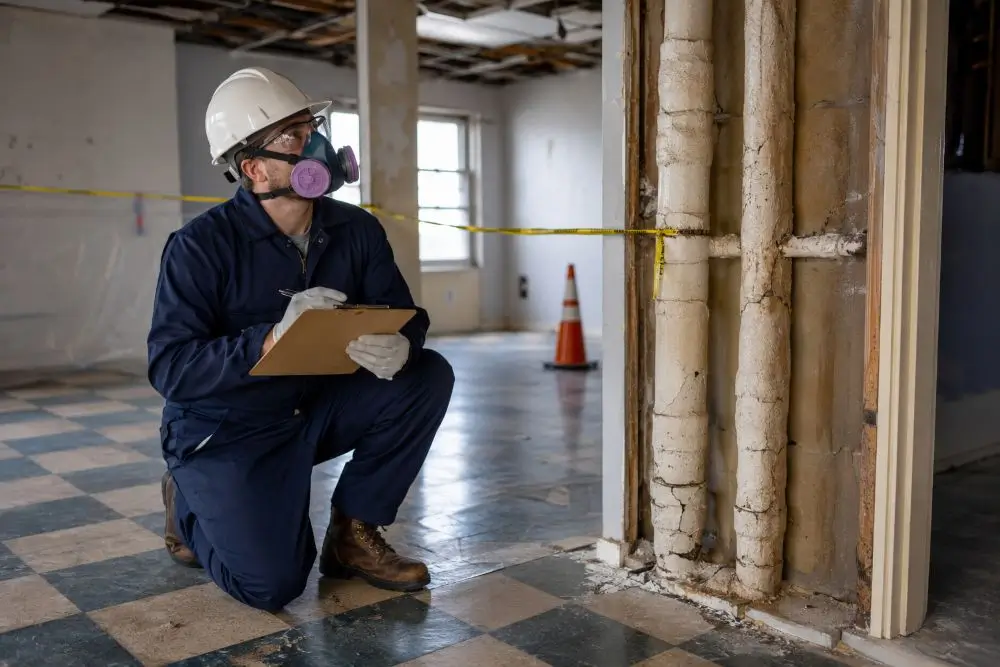
Many buildings constructed before modern asbestos regulations were introduced may still contain asbestos-containing materials. These are commonly found in pipe and boiler insulation, floor tiles and adhesives, roofing shingles and roofing felt, ceiling tiles and textured coatings, cement siding and panels, spray-applied fireproofing, and HVAC duct insulation. Because these materials can remain in place for decades, they continue to pose a potential hazard whenever they are disturbed during renovation, maintenance, or demolition work.
Pipe and boiler insulation
Floor tiles and adhesives
Roofing shingles and roofing felt
Ceiling tiles and textured coatings
Cement siding and panels
Spray-applied fireproofing
HVAC duct insulation
Occupations at the Highest Risk
Workers involved in construction, renovation, and building maintenance are among those most likely to encounter asbestos on the job. Occupations at higher risk include construction workers, demolition crews, electricians, plumbers, HVAC technicians, maintenance personnel, industrial workers, and roofing contractors. Since these professionals frequently work around older structures and building materials, they should be trained to recognize potential asbestos hazards and follow OSHA-required safety procedures to minimize exposure.
Construction workers
Demolition crews
Electricians
Plumbers
HVAC technicians
Maintenance personnel
Industrial workers
Roofing contractors
Why Disturbing Asbestos Is Dangerous
Asbestos-containing materials are generally considered less hazardous when they remain intact and undisturbed. However, cutting, drilling, sanding, breaking, or demolishing these materials can release tiny asbestos fibers into the air. Once inhaled, these fibers can remain in the lungs for years and increase the risk of serious illnesses such as asbestosis, lung cancer, and mesothelioma. This is why proper inspections, exposure controls, PPE, and OSHA-compliant work practices are critical before any work begins.
Current OSHA Enforcement: Strict Compliance Standards for Modern Job Sites
Although asbestos regulations continue to evolve, OSHA's enforcement of workplace asbestos safety remains strict. Employers whose workers may be exposed to asbestos during construction, renovation, demolition, maintenance, or repair activities must comply with OSHA's asbestos standards to minimize exposure and protect employee health. Failure to follow these requirements can result in significant penalties, project delays, and increased risks of occupational illness.
Key OSHA Requirements for Employers
To reduce asbestos exposure on modern job sites, employers are expected to:
Conduct asbestos inspections before disturbing suspect materials
Assess worker exposure and perform air monitoring when required
Implement engineering controls and safe work practices
Provide appropriate respiratory protection and PPE
Train employees who may encounter asbestos-containing materials
Restrict access to regulated work areas and post warning signs
Properly handle, contain, and dispose of asbestos waste
Maintain required exposure monitoring and training records
Following these requirements helps protect workers from long-term health risks while ensuring compliance with OSHA regulations. Even in 2026, employers cannot assume older buildings are asbestos-free, making proper planning, hazard assessment, and worker training essential before any renovation or demolition project begins.
Conclusion
Although asbestos is no longer used as widely as it once was, it remains a significant occupational health hazard in 2026. The continued presence of legacy asbestos in older buildings, combined with ongoing regulatory developments and EPA rulemaking, means employers and workers must remain vigilant during demolition, renovation, maintenance, and repair activities. Assuming asbestos has been completely eliminated can lead to dangerous exposures and costly compliance violations.
OSHA continues to enforce strict asbestos safety standards to protect workers from exposure, making proper inspections, hazard assessments, training, and protective measures more important than ever. By understanding current regulations and following established safety practices, employers can reduce health risks, maintain compliance, and create safer job sites. For workers and safety professionals, completing OSHA asbestos awareness or OSHA 30-Hour training is an effective way to build the knowledge needed to recognize asbestos hazards and work safely around potentially contaminated materials.
Related Posts

What are the Stages of an OSHA Inspection?
Asbestos is Back (Maybe)