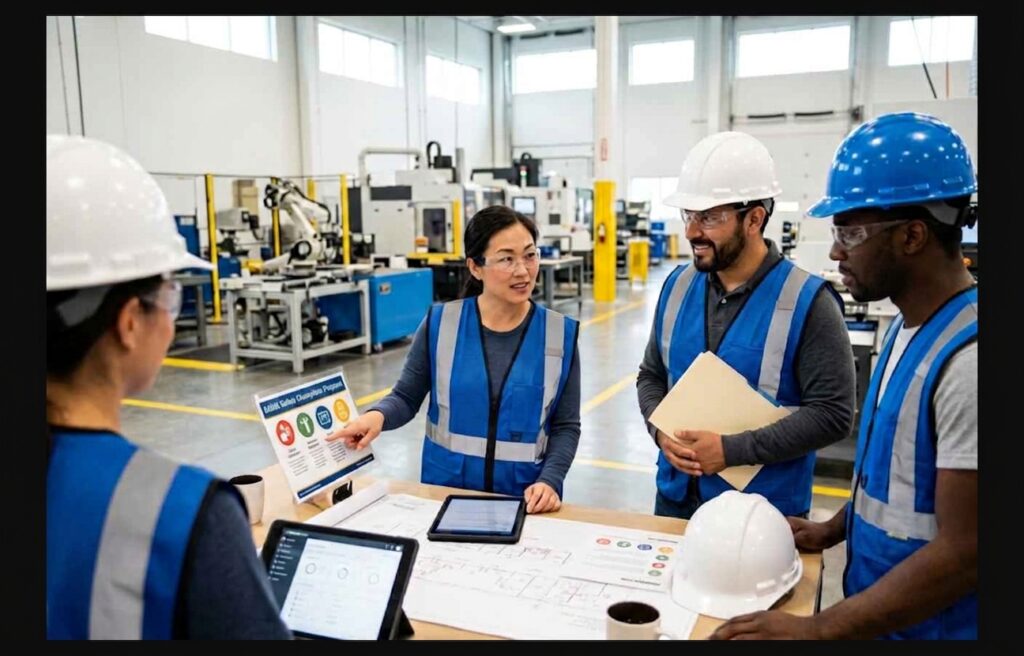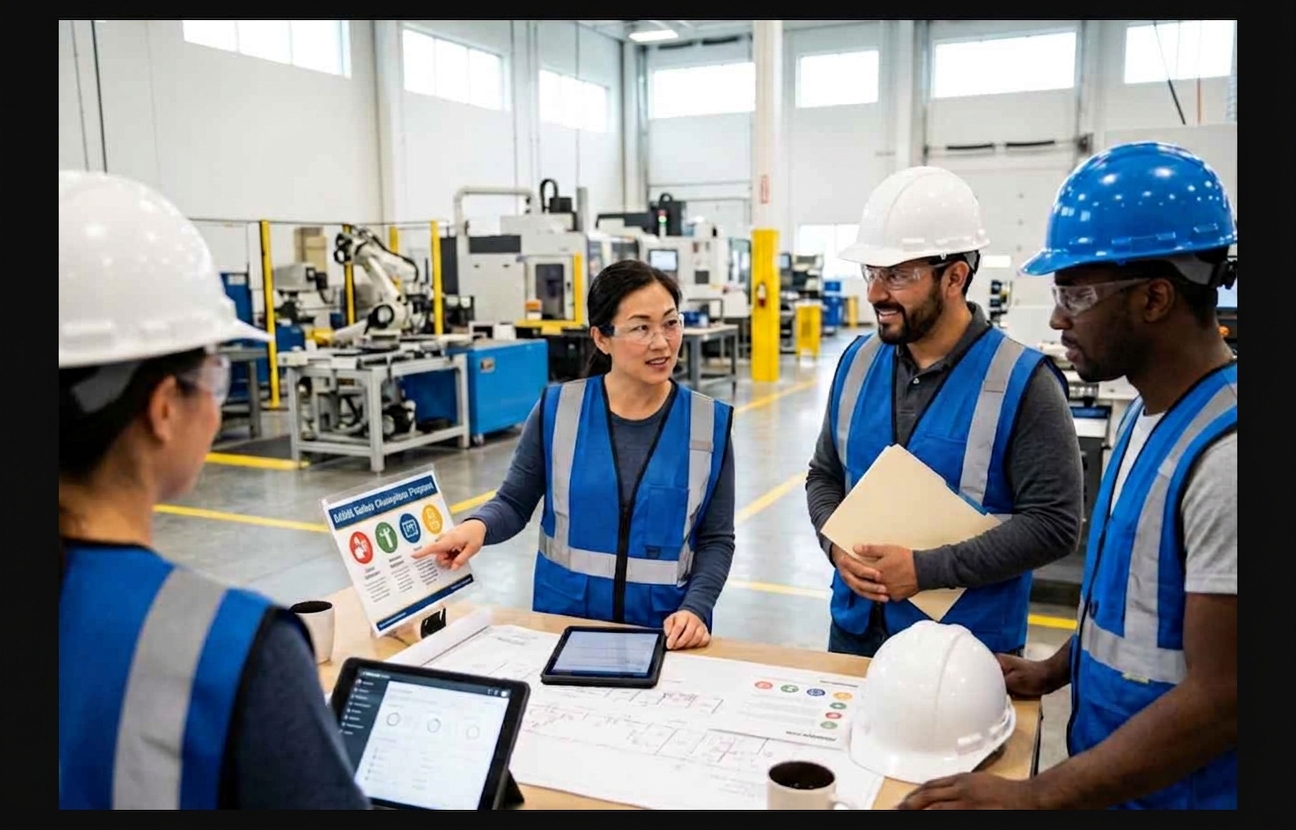
Explaining The OSHA Safety Champions Program
A strong workplace safety culture depends on more than policies and procedures—it requires active participation from employees at every level of the organization. When workers are encouraged to identify hazards, share concerns, and promote safe practices, organizations are better equipped to prevent incidents and create a safer working environment. This is why many companies establish Safety Champions Programs to increase employee involvement in workplace safety efforts.
While OSHA does not mandate a formal Safety Champions Program, it strongly emphasizes worker participation as a fundamental component of an effective safety and health management system. Safety champions serve as safety advocates within the workforce, helping to reinforce safety awareness, encourage communication, and support hazard prevention initiatives. This article explores what a Safety Champions Program is, how it aligns with OSHA's approach to workplace safety, the benefits it offers organizations, and the key steps for implementing a successful program.
Understanding the OSHA Safety Champions Concept
Safety champions play an important role in fostering a workplace culture where safety is a shared responsibility rather than solely a management function. By encouraging employee involvement and promoting open communication, safety champions help organizations identify risks, reinforce safe behaviors, and support continuous improvement in workplace safety performance.
What Is a Safety Champion?
A safety champion is an employee who actively promotes workplace safety and encourages others to follow safe work practices. They serve as advocates for safety initiatives, helping to identify hazards, share safety information, and support a positive safety culture. Safety champions often act as a bridge between employees and management, ensuring safety concerns are communicated and addressed effectively.
Is There an Official OSHA Safety Champions Program?
OSHA does not currently offer a formal Safety Champions Program that employers are required to implement. However, the concept aligns closely with OSHA's emphasis on worker participation as a key element of an effective safety and health program. Many organizations create their own safety champion initiatives to strengthen employee engagement and support OSHA's broader safety management principles.
Why Safety Champions Matter
Safety champions help create a more proactive approach to workplace safety by encouraging employees to recognize and report hazards before incidents occur. Their involvement promotes greater ownership of safety responsibilities throughout the workforce and contributes to ongoing improvements in safety awareness, communication, and risk prevention.
The Role of a Safety Champion
Safety champions help strengthen workplace safety by promoting awareness, encouraging participation, and supporting hazard prevention efforts. They serve as valuable resources who help keep safety a visible and ongoing priority across the organization.
Promoting Safety Awareness
Safety champions help reinforce key safety messages and remind employees of important workplace procedures. They encourage safe work practices and support training initiatives that improve safety knowledge throughout the workforce.
Identifying Workplace Hazards
By regularly observing workplace activities, safety champions can help identify unsafe conditions before they lead to incidents. They play an important role in reporting potential risks and supporting efforts to eliminate or control hazards.
Encouraging Employee Participation
Safety champions create opportunities for employees to share concerns, suggestions, and safety observations. Their involvement helps foster open communication and encourages greater participation in workplace safety discussions.
Supporting Incident Prevention
A key responsibility of safety champions is promoting the early reporting of hazards, near misses, and unsafe behaviors. They also help support corrective actions that can prevent similar incidents from occurring in the future.
Key Responsibilities of Safety Champions
Safety champions contribute to workplace safety by supporting daily safety activities and encouraging employee engagement. Their responsibilities focus on reinforcing safe behaviors, identifying potential risks, and helping maintain effective communication throughout the organization.
Conducting Informal Safety Observations
Safety champions regularly observe workplace activities to identify unsafe behaviors or conditions that may require attention. These observations help organizations address potential hazards before they develop into incidents.
Assisting with Safety Inspections
They support formal and informal workplace inspections by helping identify hazards and verify that safety procedures are being followed. Their involvement can provide valuable insights from an employee perspective.
Supporting Toolbox Talks and Safety Meetings
Safety champions help facilitate discussions on workplace hazards, safety procedures, and lessons learned from incidents. They encourage participation and help ensure key safety messages are understood by employees.
Promoting PPE Compliance
They reinforce the importance of using personal protective equipment (PPE) correctly and consistently. By leading by example, safety champions help improve compliance with workplace safety requirements.
Encouraging Near-Miss Reporting
Safety champions encourage employees to report near misses and potential hazards without fear of blame. Early reporting helps organizations identify risks and implement preventive measures before accidents occur.
Helping Communicate Safety Updates
They assist in sharing important safety information, policy changes, and workplace alerts with employees. This helps ensure that safety updates are communicated clearly and consistently across the workforce.
Benefits of a Safety Champions Program
A well-structured Safety Champions Program can deliver significant benefits for both employees and organizations. By encouraging active participation in workplace safety, these programs help create a more engaged workforce and support continuous improvement in safety performance.
Stronger Safety Culture
Safety champions help foster a culture where safety becomes a shared responsibility rather than solely a management initiative. Their involvement encourages greater employee engagement and reinforces the importance of safe work practices throughout the organization.
Improved Hazard Identification
With more employees actively focused on safety, potential hazards can be identified and addressed more quickly. This increased workforce involvement helps organizations recognize risks that might otherwise go unnoticed.
Better Communication
Safety champions help strengthen communication between employees and management by creating additional channels for sharing concerns and feedback. This encourages open dialogue and improves the flow of important safety information across the workplace.
Reduced Workplace Incidents
By promoting hazard awareness and encouraging early reporting of safety concerns, safety champions support proactive risk management. Early intervention can help prevent incidents and contribute to a safer working environment.
Increased Employee Ownership
Safety champion programs empower employees to take an active role in workplace safety initiatives. This sense of ownership helps strengthen accountability and encourages individuals to contribute to the organization's overall safety goals.
Conclusion
A Safety Champions Program can be a powerful way to strengthen workplace safety by encouraging employees to take an active role in identifying hazards, promoting safe behaviors, and supporting continuous improvement efforts. While OSHA does not require a formal Safety Champions Program, the concept aligns closely with its emphasis on worker participation and proactive safety management.
By empowering employees to become safety advocates, organizations can improve communication, increase hazard awareness, and build a stronger safety culture. When employees and management work together toward shared safety goals, workplaces become safer, more engaged, and better equipped to prevent incidents before they occur.
Related Posts
What are the Stages of an OSHA Inspection?
Asbestos is Back (Maybe)