How To Conduct Remote Safety Audits Using 360° Camera
Workplace safety audits have evolved significantly as worksites become more complex and geographically dispersed. Traditional on-site inspections remain valuable but can be limited by time, access, and logistical constraints. Organizations are increasingly exploring digital tools to strengthen hazard identification and documentation. One such innovation is the use of 360° camera technology, which allows safety teams to review entire environments remotely. These tools support more flexible, consistent, and scalable safety oversight. As remote work and multi-site operations grow, remote safety audits are becoming an important addition to modern safety programs.
What Are Remote Safety Audits?
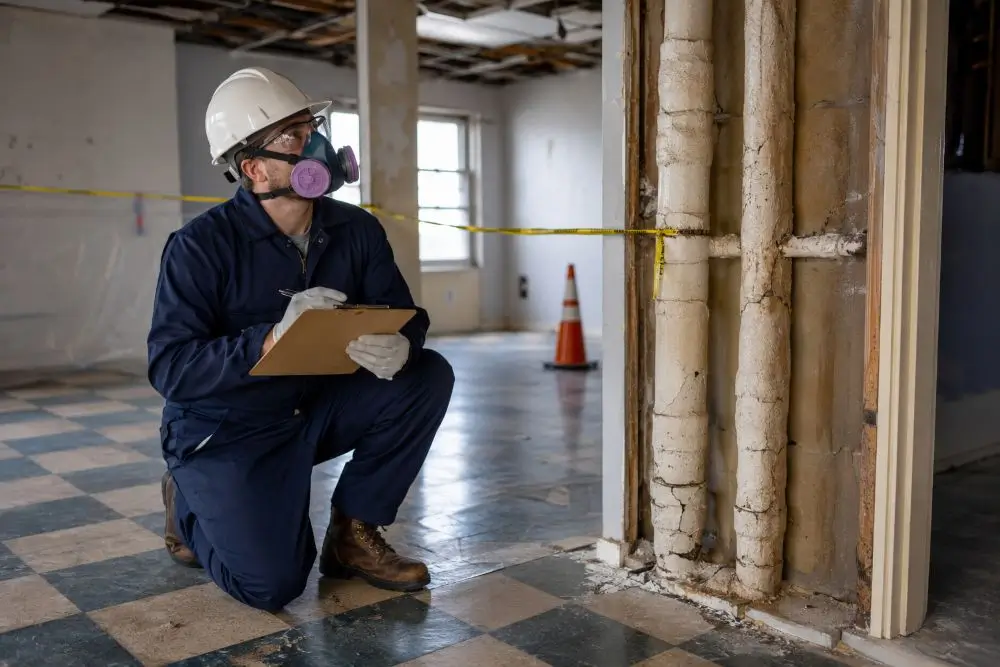
Remote safety audits involve evaluating workplace conditions without being physically present at the site. Instead of in-person walkthroughs, safety professionals review recorded or live visual data to identify hazards and unsafe practices. These audits differ from traditional inspections by allowing assessments to occur across multiple locations with less disruption to operations. Industries such as construction, warehousing, manufacturing, energy, and utilities commonly use remote audits due to dispersed or high-risk worksites. Remote audits are often used alongside on-site reviews to strengthen overall hazard awareness.
Overview of 360° Camera Technology
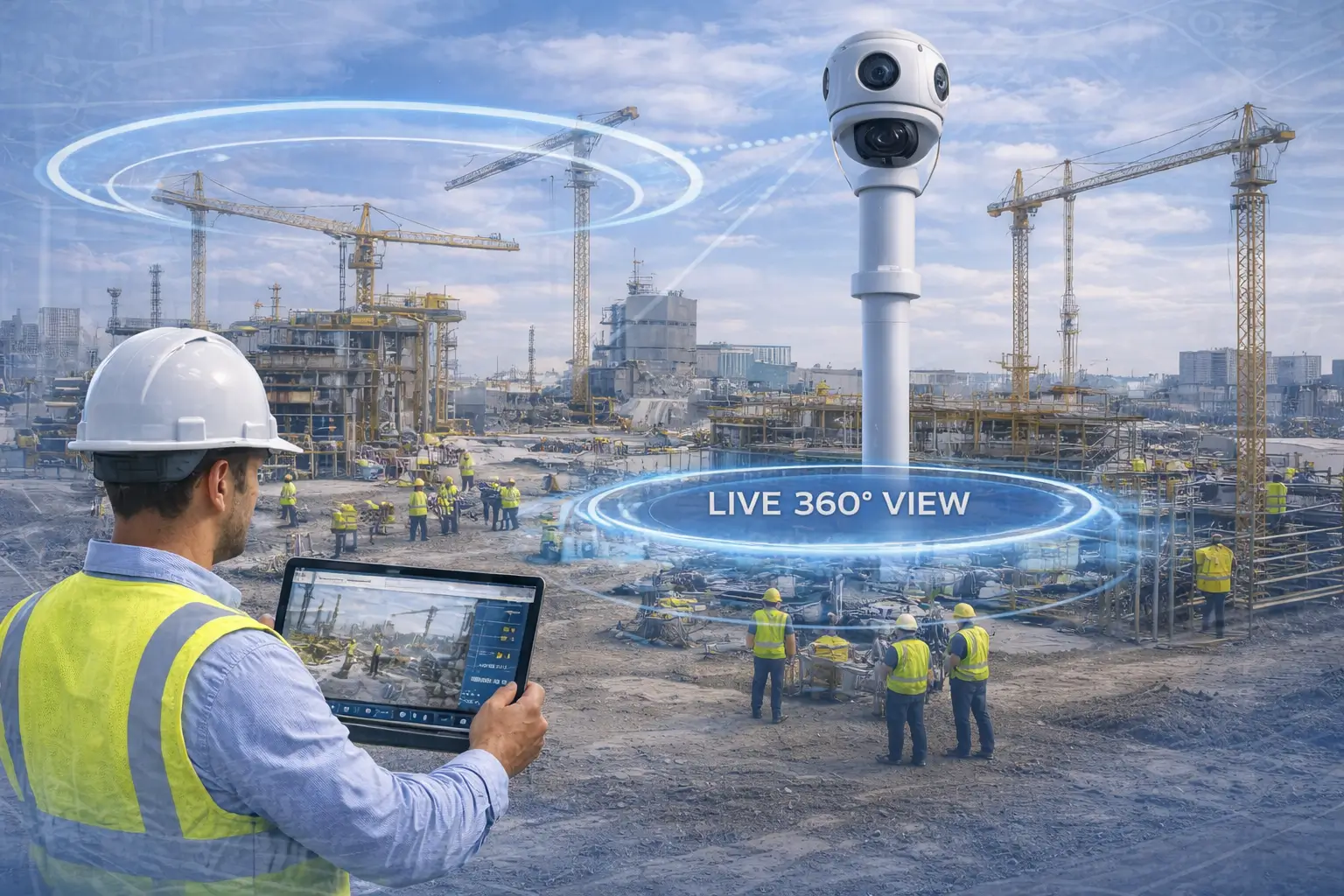
360° cameras capture a complete, panoramic view of a work area, allowing reviewers to see all angles of a jobsite from a single recording point. These cameras are available in handheld, tripod-mounted, wearable, and drone-compatible formats, depending on the inspection needs. For safety purposes, they are often used to document equipment placement, access points, and work practices. Specialized software platforms enable reviewers to pause footage, zoom in, tag hazards, and add notes. This technology supports detailed review, consistent documentation, and easier sharing among safety teams.
How Remote Safety Audits Work
Remote safety audits begin with careful planning, including identifying areas of focus, required equipment, and personnel responsibilities. 360° cameras are then used to capture comprehensive footage of the worksite, machinery, and operations, providing a complete visual record. Safety teams review this footage to detect hazards, unsafe practices, and potential compliance gaps. All findings are documented, and corrective actions are assigned to the responsible parties. This process allows employers to monitor multiple sites efficiently, track improvements over time, and reinforce proactive safety management without the need for constant on-site presence.
Benefits of Remote Safety Audits Using 360° Cameras
Remote safety audits supported by 360° camera technology offer greater flexibility and reach than traditional inspections. Safety teams can review worksites without travel, reducing time, cost, and disruption to operations. The ability to replay footage allows for more thorough hazard identification compared to single-moment walkthroughs. These audits also create visual records that support consistency across multiple locations. For complex or high-risk environments, 360° audits help extend safety oversight where frequent on-site visits may not be practical.
Limitations and Challenges of Remote Safety Audits
While powerful, remote safety audits are not a complete replacement for physical inspections. 360° cameras may miss certain hazards such as noise levels, air quality issues, vibrations, odors, or subtle equipment defects that require hands-on evaluation. Camera placement and recording quality can also affect visibility, potentially overlooking blocked views or blind spots.
Another challenge is worker behavior during recordings, as employees may temporarily change practices when they know they are being filmed. Remote audits also depend heavily on reliable technology, including camera hardware, software platforms, data storage, and secure access. Finally, effective use requires trained reviewers who understand how to interpret visual data and identify hazards accurately. For best results, remote audits should complement, not replace- on-site inspections and direct worker engagement.
Supporting OSHA Safety Programs and Best Practices
Remote safety audits using 360° camera technology support OSHA’s emphasis on proactive hazard identification and prevention by allowing safety teams to review conditions before incidents occur. Visual audit footage can be incorporated into hazard assessments, safety programs, and routine inspections to strengthen adherence to recognized safety practices. These audits also enhance training efforts by using real job-site scenarios to reinforce hazard awareness. Additionally, recorded findings can support safety planning discussions, toolbox talks, and corrective action tracking across multiple locations.
Best Practices for Conducting Effective Remote Safety Audits
Remote safety audits using 360° camera technology are transforming how organizations assess workplace hazards. By capturing a complete, interactive view of worksites, safety teams can identify risks without being physically present. Implementing best practices ensures these audits are accurate, actionable, and integrated into broader safety programs, helping reduce incidents and strengthen hazard awareness.
Train Staff on 360° Camera Usage
Ensure employees know how to operate the cameras, position them for maximum coverage, and capture critical angles of the worksite. Proper training reduces blind spots and ensures accurate hazard documentation.
Use Standardized Audit Checklists
Implement consistent checklists and procedures to cover all potential hazards and compliance points. This ensures each audit is thorough and comparable across locations.
Combine Remote Audits with On-Site Follow-Ups
While remote inspections are highly effective, occasional physical site visits help verify findings and address risks that may not be fully captured on video.
Maintain Secure and Organized Records
Store audit footage, findings, and corrective actions systematically. This supports accountability, facilitates reporting, and aligns with OSHA’s expectations for documented safety practices.
Review and Update Audit Procedures Regularly
Periodically update audit methods, checklists, and training based on site changes, emerging hazards, or regulatory updates to ensure continuous improvement and relevance.
Conclusion
Remote safety audits using 360° camera technology offer a practical, efficient way to enhance workplace safety, particularly for organizations with multiple or high-risk job sites. When combined with proper training, standardized procedures, and follow-up inspections, these audits help identify hazards proactively, improve hazard awareness, and support OSHA-aligned safety programs. While not a complete replacement for on-site inspections, they provide valuable documentation, facilitate safety planning, and strengthen overall risk management. Adopting this technology can ultimately reduce workplace incidents, protect employees, and foster a culture of continuous safety improvement.
Related Posts
Safety Guidelines in the Workplace
What are the Stages of an OSHA Inspection?