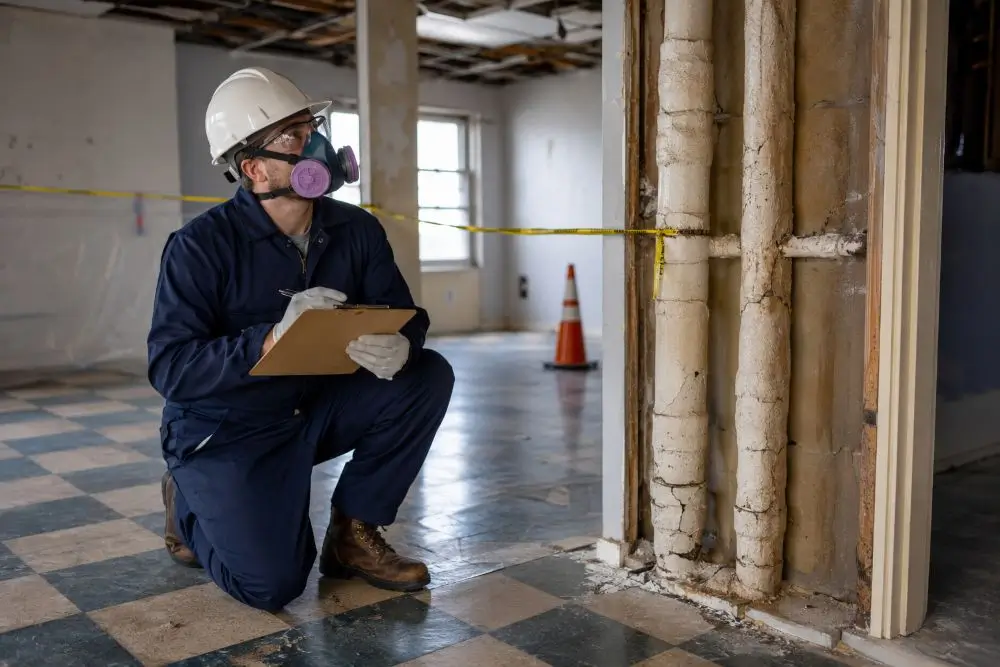
360° Video Safety Training for High-Risk Construction
Construction remains one of the most dangerous industries, with workers regularly exposed to falls, heavy equipment, confined spaces, and other high-risk conditions.
Traditional safety training methods, such as manuals, lectures, and standard videos, often fail to replicate real-world hazards effectively.
As a result, workers may struggle to recognize risks once they are on the job site. Advances in immersive technology are changing this approach.
360° video training allows workers to experience realistic job-site scenarios in a controlled, safe environment.
This makes safety training more engaging, practical, and impactful for high-risk construction work. Learn more about 360-degree videos in the blog below:
Why High-Risk Construction Training Needs a New Approach
High-risk construction tasks involve dynamic environments where conditions change daily, making hazard recognition critical.
Traditional training methods are often passive and may not fully prepare workers for real-time decision-making on active job sites.
Many incidents occur because workers fail to identify hazards early or underestimate risks.
A more immersive and scenario-based approach helps bridge the gap between theory and real-world application.
Modern training methods like 360° video better reflect the complexity and unpredictability of construction environments, improving preparedness and safety awareness.
What Is 360° Video Training?
360° video training uses specialized cameras to record real-world environments in every direction, allowing viewers to look around freely rather than watch a fixed frame.
Unlike standard safety videos, which show only what the camera operator chooses, 360° video places workers inside the scene so they can actively observe surroundings and hazards.
It differs from full virtual reality (VR) because it uses real footage instead of computer-generated environments, while still offering an immersive experience.
Workers can access 360° video training through VR headsets, smartphones, tablets, or desktop computers.
This flexibility makes it practical for both classroom training and on-site safety briefings.
Benefits of 360° Video for Construction Safety Training
360° video significantly improves hazard recognition by immersing workers in realistic jobsite scenarios where risks are visible from all angles.
This active participation increases engagement and helps workers retain safety information better than passive training methods.
It allows employees to experience dangerous situations, such as working at heights or near heavy equipment, without any physical risk.
The format also ensures consistent safety messaging across crews, shifts, and locations, reducing variability in training quality.
As a result, organizations can strengthen safety awareness while maintaining efficiency and compliance.
Key High-Risk Construction Scenarios Ideal for 360° Training
360° video is especially effective for training workers in construction scenarios where hazards are complex, dynamic, and difficult to fully explain through traditional methods.
By placing learners inside realistic environments, this approach allows them to visually explore risks, recognize warning signs, and understand consequences in a safe but highly impactful way.
Some of the most critical high-risk construction scenarios that benefit from 360° training include:
Fall Hazards and Working at Heights
Falls remain the leading cause of fatalities in construction. 360° training can simulate scaffolds, ladders, roofs, and elevated platforms, allowing workers to identify missing guardrails, improper tie-off points, and unsafe access routes.
Trainees can practice recognizing fall risks before stepping into real-world elevated environments.
Heavy Equipment and Vehicle Interaction Zones
Construction sites often involve constant movement of cranes, forklifts, trucks, and earthmoving equipment.
360° scenarios help workers understand blind spots, traffic flow, and safe distances around operating machinery.
This improves awareness of struck-by hazards and reinforces the importance of communication and designated equipment pathways.
Confined Spaces and Excavation Risks
Confined spaces and trenches present risks such as cave-ins, oxygen deficiency, and limited escape routes.
Through immersive video, workers can explore excavation sites, spot unstable soil conditions, and recognize the need for shoring, ventilation, and proper entry procedures.
This visual context is far more effective than diagrams or written instructions alone.
Electrical Hazards and Energized Work Areas
Electrical incidents often occur when workers fail to recognize live components or maintain safe clearances.
360° training can simulate energized panels, overhead power lines, and temporary wiring, teaching workers to identify exposure points and apply lockout/tagout and safe work practices correctly.
Emergency Response and Incident Simulations
Emergencies are difficult to replicate safely during traditional training. 360° video allows workers to experience realistic incident scenarios, such as falls, equipment accidents, or fires, and observe correct emergency responses.
This builds familiarity with evacuation routes, communication protocols, and first-response actions under pressure.
Improving Hazard Awareness and Decision-Making
360° training strengthens workers’ ability to recognize hazards before they lead to incidents by encouraging active observation rather than passive learning.
It allows employees to practice making safe decisions in changing, high-pressure environments where multiple risks may exist simultaneously.
By repeatedly exposing workers to realistic scenarios, this training reinforces situational awareness and helps build safer behavioral habits on active construction sites.
Supporting OSHA Compliance and Safety Best Practices
360° video training aligns closely with OSHA’s focus on proactive hazard recognition and injury prevention.
By visually demonstrating real-world risks, it supports key OSHA principles outlined in the General Duty Clause and various construction safety standards.
Employers can incorporate 360° scenarios into job hazard analyses (JHAs), pre-task planning, and toolbox talks to reinforce daily safety discussions.
Documenting worker participation in these training sessions also helps demonstrate due diligence during OSHA inspections, audits, and compliance reviews.
Implementation Considerations for Employers
To successfully adopt 360° safety training, employers should select content that reflects their specific job-site hazards and operational risks.
Integrating 360° video into existing safety programs ensures consistency rather than treating it as a standalone tool.
Supervisors and safety managers should be trained to guide discussions, pause scenarios, and reinforce learning points.
Employers should also evaluate costs, scalability across multiple sites, and accessibility options to ensure all workers can benefit from the training.
Conclusion
360° video training represents a significant advancement in construction safety education, providing immersive, hands-on experiences without exposing workers to real danger.
Simulating high-risk scenarios like falls, confined space entry, and heavy equipment interactions enhances hazard recognition, situational awareness, and decision-making skills.
Integrating 360° training into daily safety programs not only improves engagement and knowledge retention but also supports OSHA compliance, proper documentation, and consistent safety practices across worksites.
For employers, this innovative approach is a powerful tool to reduce incidents, strengthen safety culture, and prepare workers for the dynamic challenges of modern construction.
Related Posts
Safety Guidelines in the Workplace
What are the Stages of an OSHA Inspection?